Key Takeaways:
As concerns about plastic pollution grow, paper is increasingly being explored as an alternative for flexible packaging. However, switching materials raises an important question: can paper deliver the same product protection and practical benefits as plastic without creating new environmental problems?
This debate is gaining attention across the packaging industry. In March 2026, the Ellen MacArthur Foundation published a report on paper-based flexible packaging, endorsed by 47 businesses, NGOs, investors, and academics. The report recognizes paper’s potential to address plastic pollution but emphasizes that alternatives must meet environmental, technical, and commercial requirements to be viable.
Although paper offers an alternative to conventional plastic packaging, replacing plastic requires more than switching materials. The packaging must still protect the product, withstand handling, and work with existing production processes.
Plastic films can provide effective barriers against moisture, oxygen, and grease, depending on their composition. Paper is naturally porous, so some applications require functional coatings or other barrier treatments to achieve the necessary level of protection. The right solution depends on the product’s sensitivity and required shelf life.
Flexible plastic can bend and conform to different product shapes, while paper may require specific grades or material structures to provide sufficient strength and flexibility. Packaging that needs to form a pouch or sachet must also meet relevant sealing and converting requirements.
Paper is often associated with recyclability, but the finished package matters more than its appearance. Coatings and other materials used to protect products can complicate recycling, particularly when packaging needs to resist moisture or grease.
A July 2026 Reuters report on the growing trend of “paperisation” highlights this trade-off. Although paper is widely perceived as a more sustainable option, concerns remain about coating recyclability, responsible fiber sourcing, and deforestation. Switching from plastic to paper therefore requires evaluating the entire packaging lifecycle, not just the material itself.
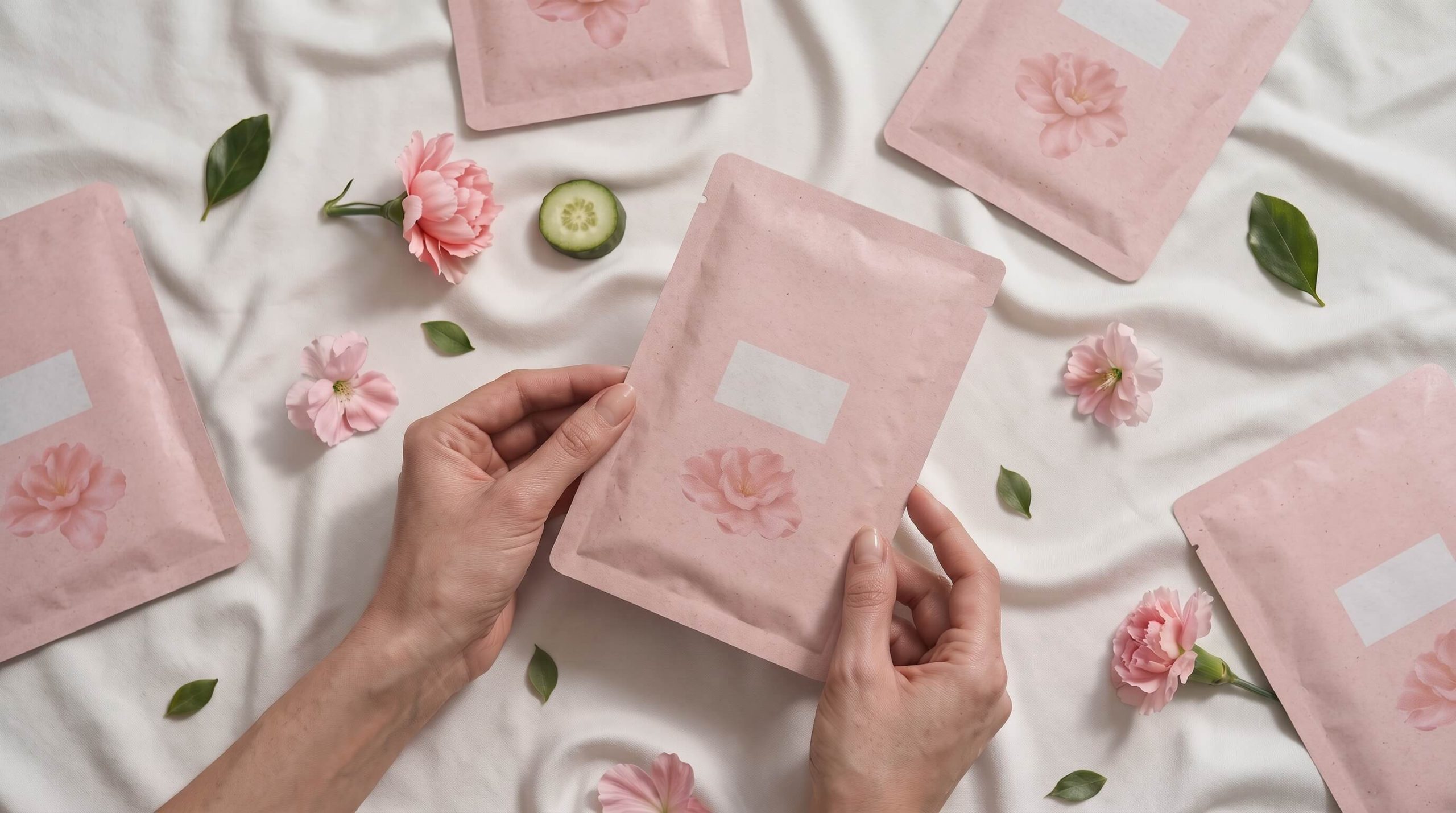
Material development is helping paper-based packaging meet a wider range of functional requirements. Depending on the application, these solutions may offer an alternative to selected plastic packaging formats.
Functional coatings can improve paper’s resistance to moisture, grease, or other external factors. Their effectiveness varies by formulation, so businesses should confirm that the material meets the specific barrier and food-contact requirements of the intended application. Recyclability should also be evaluated based on the finished packaging structure.
Specialty papers and engineered paper structures are expanding options for wrappers and other flexible packaging applications. The appropriate paper grade depends on factors such as print quality, strength, flexibility, barrier requirements, and converting performance.
Enza Shield, a specialty paper developed for flexible packaging applications, is one option businesses can explore when evaluating paper-based alternatives. Enza HS may also be worth considering for applications where its paper characteristics align with the required packaging format. The final choice should be based on product specifications and application testing.
Replacing flexible plastic packaging with paper is not a one-size-fits-all decision. Businesses should consider the protection their products require, the performance of the finished packaging, compatibility with existing production lines, and end-of-life requirements.
Enza offers specialty paper options for businesses exploring paper-based packaging. Explore Enza’s paper solutions to identify materials that align with your packaging needs and evaluate their suitability for your specific application.
Yes, paper can be considered a flexible packaging material when it can bend or fold to wrap products or form packaging such as bags, wrappers, and sachets. However, not all paper products are flexible, and their suitability depends on the paper grade, thickness, and intended application.
Paper may be chosen over plastic because it is made from renewable wood fiber and can offer recycling options where appropriate collection and processing systems exist. It can also provide printability and the stiffness needed for certain packaging applications. However, paper does not automatically have a lower environmental impact in every situation, and its performance and end-of-life options depend on the finished packaging structure.
Flexible packaging material is a material that can bend, fold, or conform to the shape of its contents rather than maintaining a rigid form. Common examples include plastic films, foil, paper, and combinations of these materials. They are used for products such as snack wrappers, pouches, sachets, and bags. The material is selected based on requirements such as product protection, moisture and oxygen barriers, durability, and sealing performance.